


Hypoxia defense for agricultural crops
We translate molecular plant biology into field-ready treatments. Our preventative biostimulant primes crop root systems to survive prolonged waterlogging and oxygen deprivation.
The cost of standing water
When soils saturate, oxygen diffusion drops ten-thousandfold. Roots suffocate within hours, triggering cellular decay and irreversible yield loss before surface water even recedes.
How biochemical priming works
Instead of attempting post-disaster recovery, our biostimulant initiates metabolic adaptation ahead of the flood event, preserving cellular integrity.
Foliar absorption
Metabolic preparation
Extended viability
The sprayable formulation is absorbed through the canopy, distributing the active signaling compounds down to the root-zone rhizosphere.
Cells receive a biochemical cue that mimics early hypoxia, triggering the synthesis of protective enzymes and anaerobic pathways.
When flooding occurs, primed plants maintain root respiration and prevent toxic byproduct accumulation, surviving up to ten days of submersion.

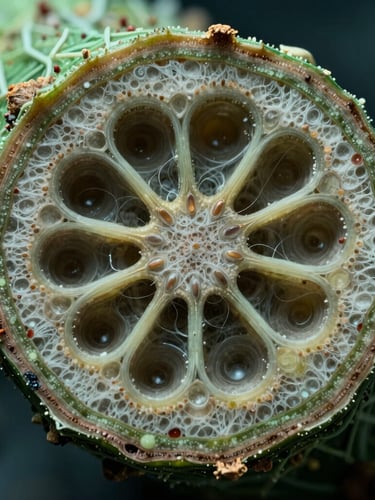
Rigorous hypoxia research
Developed within the University of Oxford, our research bridges molecular physiology and field agronomy to deliver verifiable crop protection.
Preserving root architecture
Untreated crops suffer rapid root tip death under waterlogged conditions, preventing nutrient uptake. Our trials demonstrate maintained root elongation and structural viability under hypoxia.
Standard spray application
No specialized machinery is required. The biostimulant integrates directly into existing liquid fertilizer or crop protection spray schedules, offering a practical preventative tool.
We are currently connecting with agronomists and forward-thinking growers to plan future field-scale trials.